Engagement Priorities for HR Leaders
HR teams are facing one of the most complex moments in modern work. Expectations have shifted, trust has been tested, and organisations are being asked to deliver more clarity, more humanity and more adaptability than ever before. This page explores the nine priorities that matter for People & Culture leaders today. These priorities shape how people feel, how teams perform and how organisations thrive.
These priorities reflect what employees are asking for, what leaders are struggling with, and what cultures need to stay healthy and resilient. They cover everything from rebuilding trust and strengthening leadership capability to designing meaningful employee experiences and navigating the realities of hybrid work. Each priority is rooted in a simple belief: when people feel safe, supported and connected, they do their best work.
Check out my services which also explain how I work with your team to solve these priorities and others.
-
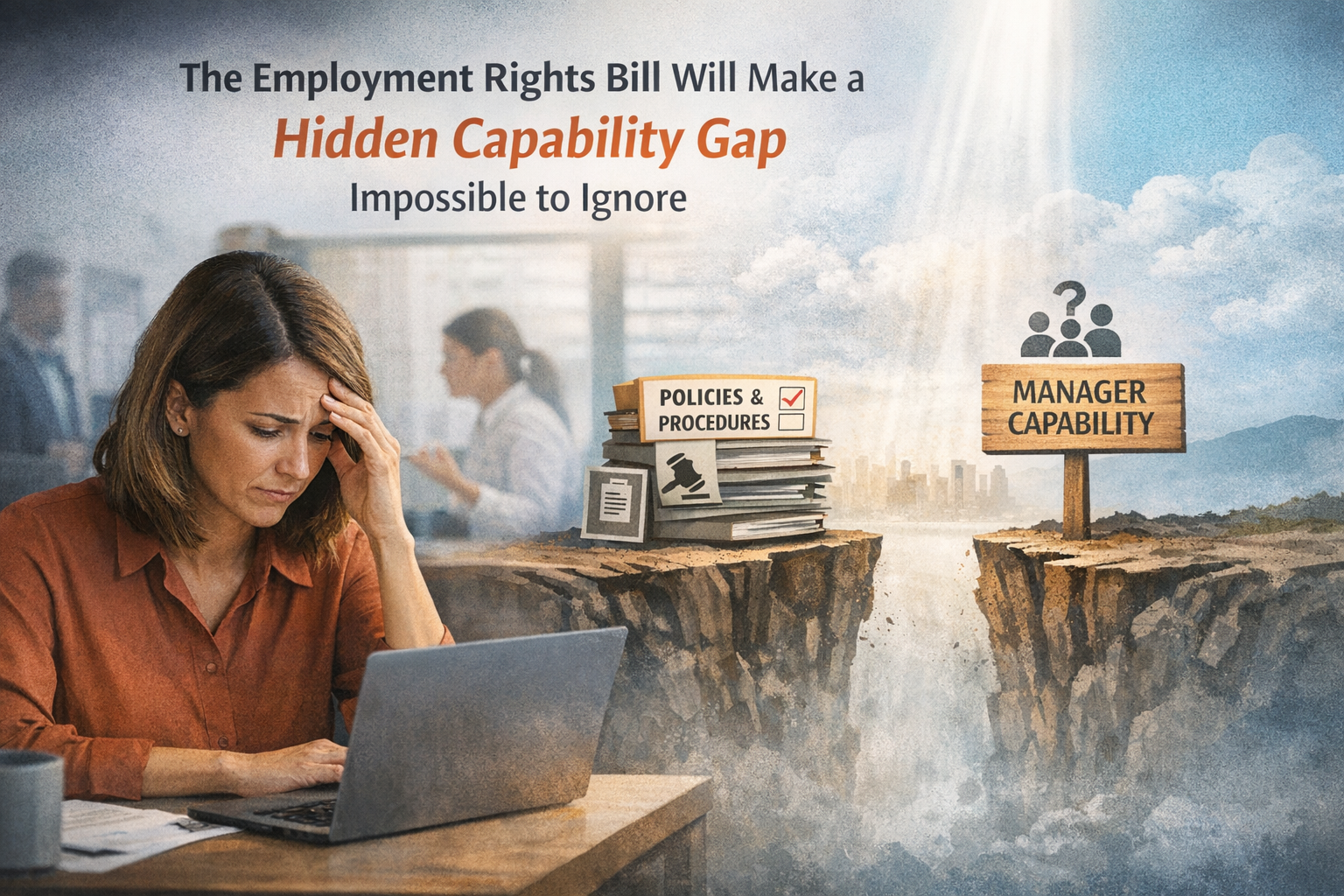
1. Manager capability could be improved
Managers are struggling with probation, performance, sickness and fairness and HR is picking up the pieces.
How I help: I build practical, human‑centred manager capability so managers feel confident, consistent and equipped, reducing risk and easing pressure on HR.

-
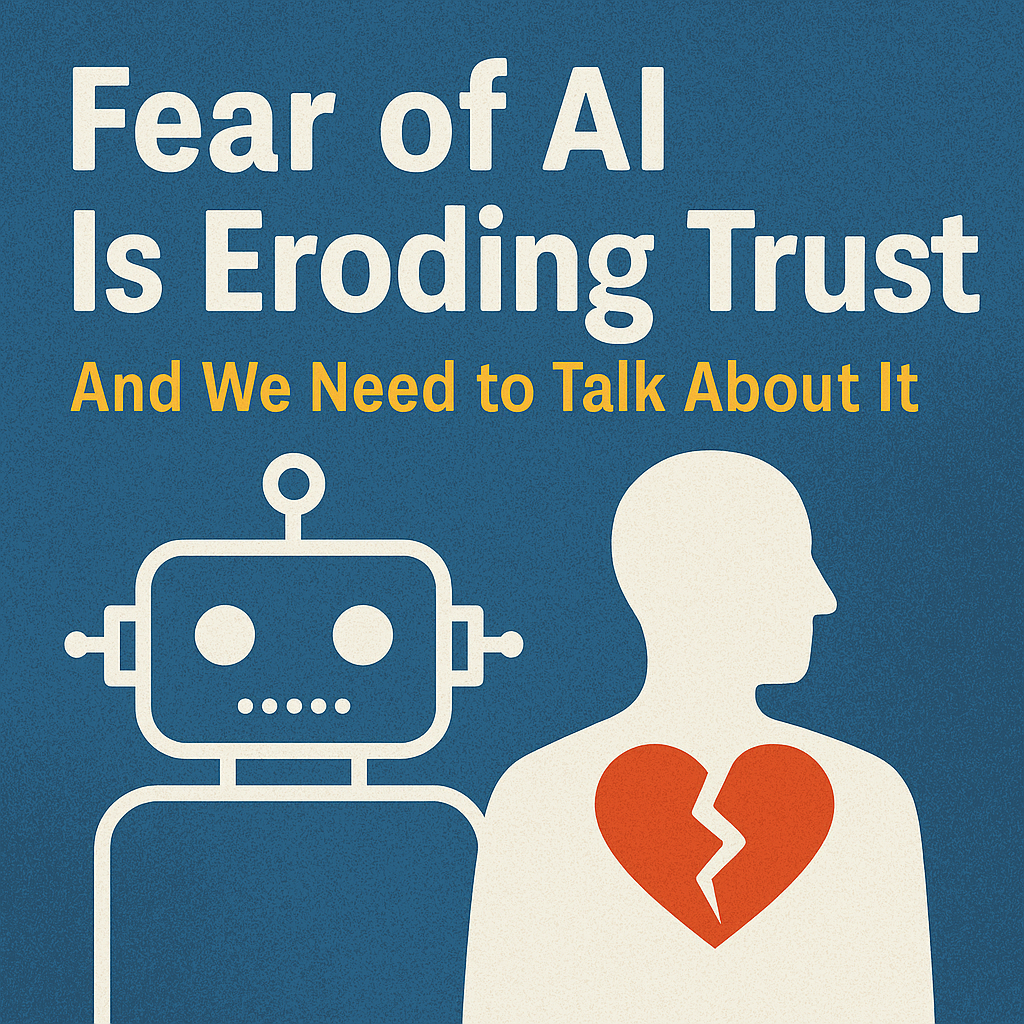
2. AI is creating fear, mistrust and psychological safety issues
Employees are anxious about job security and unsure how to use AI tools, slowing adoption and damaging trust.
How I help: I support organisations to introduce AI in a way that feels safe, transparent and empowering, helping people build confidence rather than fear.

-
3. Hybrid working isn’t as effective as it could be
Low office attendance, inconsistent practices and declining connection are creating real business risks.
How I help: I work with leaders and teams to shape hybrid approaches that improve clarity, connection and engagement — without forcing people back into the office.

-
4. Change fatigue is eroding trust and performance
Constant transformation is leaving people exhausted, disengaged and less resilient.
How I help: I can develop a change communication which is clear, supports people through uncertainty and rebuilds trust so performance doesn’t suffer.

-
5. Early careers talent is struggling with workplace readiness
Gen Z employees lack confidence, hybrid skills and in‑person communication experience.
How I help: I design practical support that builds confidence, communication skills and workplace readiness so early‑career talent can thrive.

-
6. Employee Value Propositions (EVP) aren’t matching the reality
There’s a widening gap between what you say your value proposition is and what employees actually experience.
How I help: I identify where the gaps are, what’s driving them, and how to create an EVP that feel authentic, inclusive and lived.

-
7. Five generations, one workplace — and rising expectations
Employees want more from their employer, but their needs differ dramatically.
How I help: I can shape EVPs, practices and communication that work for everyone, from early careers to late‑career employees.

-
8. Burnout, stress and mental health issues are increasing
Sickness is rising, managers feel overwhelmed, and HR teams are firefighting.
How I help: I create realistic, human‑centred wellbeing approaches that support managers, reduce sickness and prevent burnout, without adding pressure to HR

-
9. Internal communication isn't building trust
Employees feel uninformed, messages aren’t sticking, and trust is slipping.
How I help: I support organisations to communicate in ways people actually understand and trust which is clearer, more human and more consistent

Thought Leadership
Click through to my LinkedIn profile posts.